
Wetstone Solutions
Water quality investigations
Good investigations start with the question. We design for the analytes and holding times that matter, flag QA/QC problems early, and separate signal from seasonal noise where the data allow.
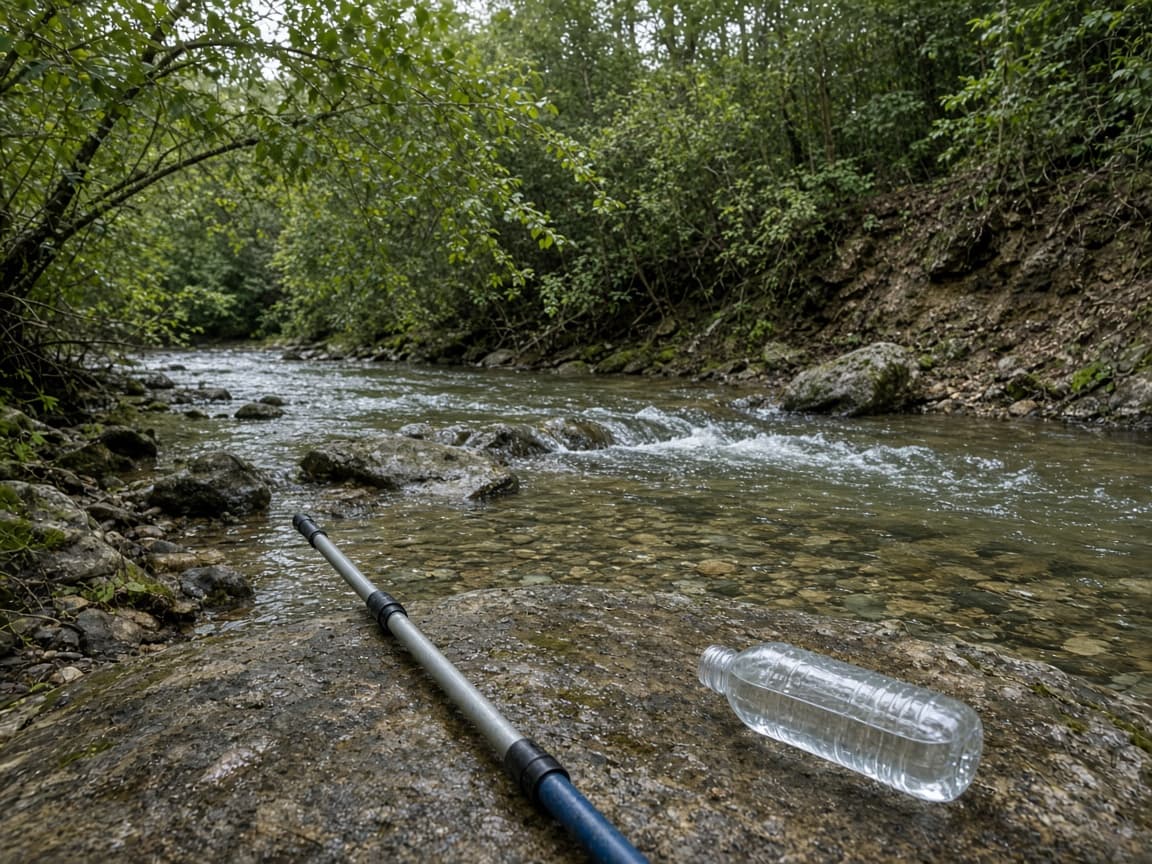
At a glance
Water quality investigations at Wetstone Solutions align sampling programs and data validation with the decision you need—then interpret chemistry in hydrogeologic and well-construction context.
What the work looks like

Who this is for
Operators and counsel who need defensible programs and plain-language interpretation when groundwater or related water quality drives exposure, remedy, or liability.
Methodology
Results are read against stratigraphy, screen intervals, and sampling bias—not as abstract exceedances on a spreadsheet. Trends are tested against hydrogeology, not wishful thinking.
Deliverables
- Investigation work plans and adaptive sampling strategies
- Interpretive memoranda and trend analysis
- Well construction and sampling bias reviews
- Integration with modeling and forensics
From the insights
- Water quality investigations that hold up when the data are challenged
How to design and defend a water quality investigation: the decision, screen intervals, sampling bias, QA/QC, and legacy data that still have to hold.
- Hydrogeochemistry for source questions: lines of evidence that hold
How hydrogeochemistry, geology, and groundwater flow are used together to evaluate sources and commingled plumes without overclaiming.
Licensed states
Wetstone maintains professional geologist licensure in five states. Engagement still depends on scope, conflicts, and the rules that apply to the work.
Frequently asked questions
- What is a defensible water quality investigation?
- One where objectives drive the sampling plan, field methods are documented, laboratory QA/QC is reviewed, and interpretations acknowledge limitations and alternative explanations.
- Groundwater versus surface water: how do investigations differ?
- Hydraulic connectivity, mixing, seasonal variability, and receptor exposure pathways differ. Programs should match the media, questions, and regulatory context.
- Can you help after historic data are challenged?
- Yes. We frequently evaluate legacy datasets for usability, bias, and whether conclusions remain supportable when methods or detection limits change.
Next step: a focused conversation
Share the site, the technical issue, and your timeline. We run a conflict check and respond with whether we can help and how soon.