
Insights ·
What a groundwater contamination expert witness is asked to show
A groundwater contamination expert witness is asked to untangle a lab result into three separate questions: whether a substance is in the water, whether a pathway connects a candidate source to that water, and whether the timing fits the claim. A detection, by itself, answers none of the three.
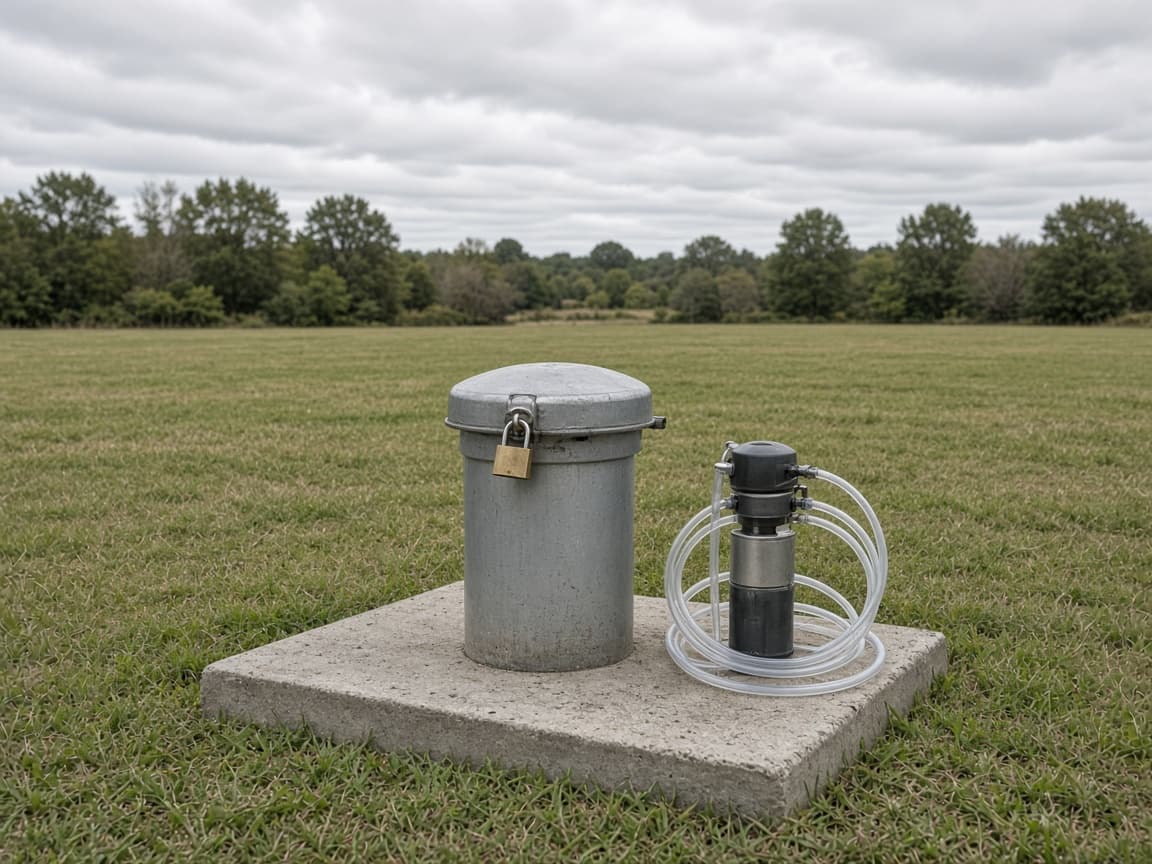
A detection is not a source
Finding a compound in a well tells you the sample contained it above a stated detection limit, on that date, from that screen. It does not tell you which facility released it, when the release happened, or that the nearest upgradient tank is the cause. Those are inferences, and they have to be written as inferences.
The first useful page of an opinion is usually a table, not a conclusion: the wells, the screened interval, the result, the detection limit, and whether the sample is a parent, a daughter product, or a non-detect. Hydrogeochemistry comes after that table. A ratio or a fingerprint drawn on top of an unsorted lab package is how source opinions get ahead of the data.
Pathway and timing are the actual assignment
Counsel are usually trying to learn whether mass could have moved from a place to a place in the years the claim covers. That is a hydrogeologic question: the unit that carries water, the direction it moves, the travel time the heads and the geology can support, and the wells that actually test that path. Fate and transport modeling is one way to test the timing. It is not a substitute for saying which measurements the travel time depends on.
Soil and groundwater belong in the same file when the dispute is the path between them. A soil detection beside a building, and a groundwater detection at a property line, are not the same event until someone shows the connection. Forensic geology is what that connection rests on: the fill, the contact, the fracture, or the boring that says the path is open or closed.
Say which water the question is about
A search for a soil and water contamination expert often mixes two practices. If the question is groundwater, the soil it moves through, and the wells that sample it, that is hydrogeology. Flood routing, watershed yield, and surface-water hydrology are a different assignment, and Wetstone does not take that work. A hydrology expert-witness search belongs here only when the dispute is groundwater.
The same boundary applies inside a groundwater file. An opinion about a supply well is not an opinion about a stream, a seep, or a discharge permit unless the measurements connect them. Write the receptor in the first paragraph so the rest of the report cannot drift.
What the first outline should already contain
Ask for a short outline before the record is rebuilt: the question, the unit, the candidate sources being tested, the alternative explanations that remain open, and the figure that would change the answer. Environmental litigation support fails when that outline arrives as a finished narrative with the alternatives already dropped.
Wetstone is based in Freedom, Beaver County. Western Pennsylvania industrial corridors, mine-influenced groundwater, and landfills are the home-office setting, described on the Pittsburgh hydrogeology expert witness page. The method is the same on a file elsewhere: separate the detection from the pathway, and do not date a release the wells cannot time.
Questions counsel ask
- What does a groundwater contamination expert witness actually opine on?
- Whether the data support a pathway from a candidate source to a sampled interval, and what the measurements can and cannot say about timing. A detection above a reporting limit is the starting fact, not the opinion.
- Can chemistry alone identify who released the compound?
- Rarely. Source opinions need the release history, the geology, the flow direction, and the well construction alongside the chemistry. A single ratio is a clue.
- Do you handle surface-water flooding or watershed disputes?
- No. The practice is groundwater, the soil and rock it moves through, and the litigation record around that evidence. Surface-water hydrology, flood routing, and watershed yield are outside the work.
Daniel S. Fisher, P.G.
Owner and principal hydrogeologist, Wetstone Solutions LLC. Pennsylvania professional geologist since 1994. This note is for education. It is not legal advice and not an opinion on any matter.
Related reading
- Hydrogeology expert witness
- Hydrogeochemistry
- Fate and transport modeling
- Hydrogeochemistry and source questions